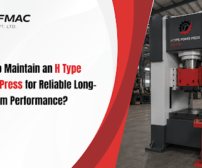


Do you run high-tonnage deep drawing work? Do you run heavy metal forming or heavy stamping jobs? Keeping big machines free of breakdowns is a tough task for plant managers. A heavy-duty H Type Hydraulic Press can handle loads up to 1000 tons. But without regular care, oil can break down. Seals can wear out too. The ram can lose its line. Any of these can stop your whole line.
Good upkeep protects your machine. It keeps tonnage steady. It also helps the machine last longer. This full guide shares simple steps to care for an H Type Hydraulic Press. Follow these steps for high uptime and strong, long-term work.
Why Does Upkeep Matter for an H Type Hydraulic Press?
Heavy work needs steady tonnage. It also needs a true stroke line. Running an H Type Hydraulic Press under high force builds up heat. It also builds up stress. Over time, dirty oil or loose rails can cause a sudden stop.
Simple checks help staff spot small issues early. This stops small issues from turning into costly fixes. Good care keeps the frame firm. It protects costly dies too. It also keeps the shop floor safe for every worker.
Non-stop work puts strain on each part. Skip the daily checks, and a small leak can grow fast. A small shift in line-up can grow fast too. Steady care keeps costs low. It also keeps output smooth each day.
How Do You Run Daily Checks on an H Type Hydraulic Press?
Daily checks stop small issues before they hurt your shift. Top plants use a strict list before each run.
- Check Oil Level: Make sure the oil sits in the sight glass range before you start the pump.
- Check Hose Links: Look for small leaks. Look for worn fittings or cracks near high-force lines.
- Watch Oil Heat: Keep oil heat between 45°C and 55°C during a full shift.
- Test Safety Locks: Test stop buttons. Test light screens. Test safety lock doors too.
- Check Ram Guides: Make sure ram guides stay oiled. Make sure they stay free of dirt or chips.
Do these steps each morning. This stops sudden halts. It also builds a safe shop floor for all staff.
What Care Steps Support Long-Term Use?
Long-term trust in a machine needs a set plan. This plan should cover weekly, monthly, three-month, six-month, and yearly tasks. The chart below shows key care steps to keep your gear strong all year.
| Care Plan | Focus Area | Key Check & Fix Needed |
| Weekly | Filters & Valves | Clean strainers. Check valves switch with ease. |
| Monthly | Oil Health | Test oil for water, sludge, or worn bits. |
| Every 3 Months | Frame Bolts & Rods | Torque bolts, plates, and rails to spec. |
| Every 6 Months | Seals & Rams | Check seals, wiper rings, and ram faces for marks. |
| Yearly | Full System Check | Flush oil. Swap filters. Reset PLC pressure marks. |
Stay on top of this set plan. It stops deep wear. It keeps the line true. It also guards your long-term spend.
How Does Oil Quality Affect an H Type Hydraulic Press?
Oil is the lifeblood of a strong press. Clean oil moves force with ease. It cools parts too. It also oils the pump pistons. Dirty oil causes over 70% of hydraulic part failures.
- Stop Heat Damage: Hot oil loses thickness. This can cause pump slip and force drops.
- Filter Small Bits: Metal dust wears down valve parts. This causes slow rams or slow force build-up.
- Check for Water: Water in oil causes rust. It causes pits in the tube too. It also causes fast seal failure.
- Flush Oil on Schedule: Swap oil every 2,000 to 4,000 work hours. This keeps force steady in your H Type Hydraulic Press.
Use top-grade oil. Test oil samples often. This shields your pumps and valves from early wear.
What Care Mistakes Should Staff Avoid?
Poor care can hurt your press frame. It can also hurt the hydraulic system. Train your floor staff to avoid these common errors:
- Wrong Oil Level: Too much or too little oil causes pump air pockets, foam, and fast heat build-up.
- Skipping Small Leaks: Small drips near valves point to loose parts or worn rings. Fix these fast.
- Skipping Ram Oil: Dry guide rails wear fast. This can cause ram tilt and poor stroke line.
- Mixing Oil Types: Mixed oil grades break down key parts. This can hurt seals in your H Type Hydraulic Press.
- Ignoring Alarms: Never turn off PLC force or heat alerts while a real issue is active.
Teach your floor staff about these errors. This keeps work smooth. It also stops sudden halts.
Conclusion
Strong machines need skilled build work. They also need heavy-duty parts. Trufmac Global Pvt. Ltd. builds top C-Type presses. It also builds press brakes, shear systems, and strong H Type Hydraulic Press models from 50T to 1000T. Built in Morbi, Gujarat, Trufmac ships export-ready gear. Full tech support comes with each unit across India, the UAE, and world markets.
Do you need expert help to pick or service an H Type Hydraulic Press for your floor? Reach out to the engineering team today on +91 81283 01541.
Follow Trufmac Global on Facebook, Instagram, YouTube, and LinkedIn. Get regular machine updates. Get work tips too. Get fresh industry insights as well.
Frequently Asked Questions
What is the price of a 1000 ton C type hydraulic press?
A true 1000-ton press is rarely built on an open C-frame. This is due to stress limits. Most 1000-ton machines use an H Type Hydraulic Press frame instead. This gives more stable support. Prices for high-force presses often range from $45,000 to $120,000 or more. Price shifts with bed size, PLC controls, and custom add-ons.
What are the different types of hydraulic presses?
Press types include C-frame presses for fast stamping. There is also an H Type Hydraulic Press for high-tonnage deep drawing. Four-column presses work well for precise moulding. Flat baling presses work well for material press-down. Each type suits a different job.
What is a hydraulic baling press machine?
A hydraulic baling press squeezes loose scrap. This can be metal sheet cuts. This can be cardboard or plastic too. The press turns scrap into tight, dense bales. This makes transport easy. It also saves space. It aids fast recycling.
How often should oil get changed in an H Type Hydraulic Press?
Oil should be filtered all the time. It should get fully swapped every 2,000 to 4,000 work hours. Some shops swap oil once a year. This depends on workload and oil test results.
What causes force loss in an H Type Hydraulic Press?
Common causes are worn piston seals. Faulty relief valves can cause it too. Pump wear, low oil, or valve leaks can cause it as well. Regular checks help find these issues fast.